Wireless Connectivity
What This Service Solves
Poor coverage, unstable wireless links, weak mounting, and badly integrated external hardware create support problems that look like network issues but begin with installation quality. This service addresses the physical deployment side of access points, Starlink systems, and outdoor connectivity hardware so the network has a solid foundation to work from.
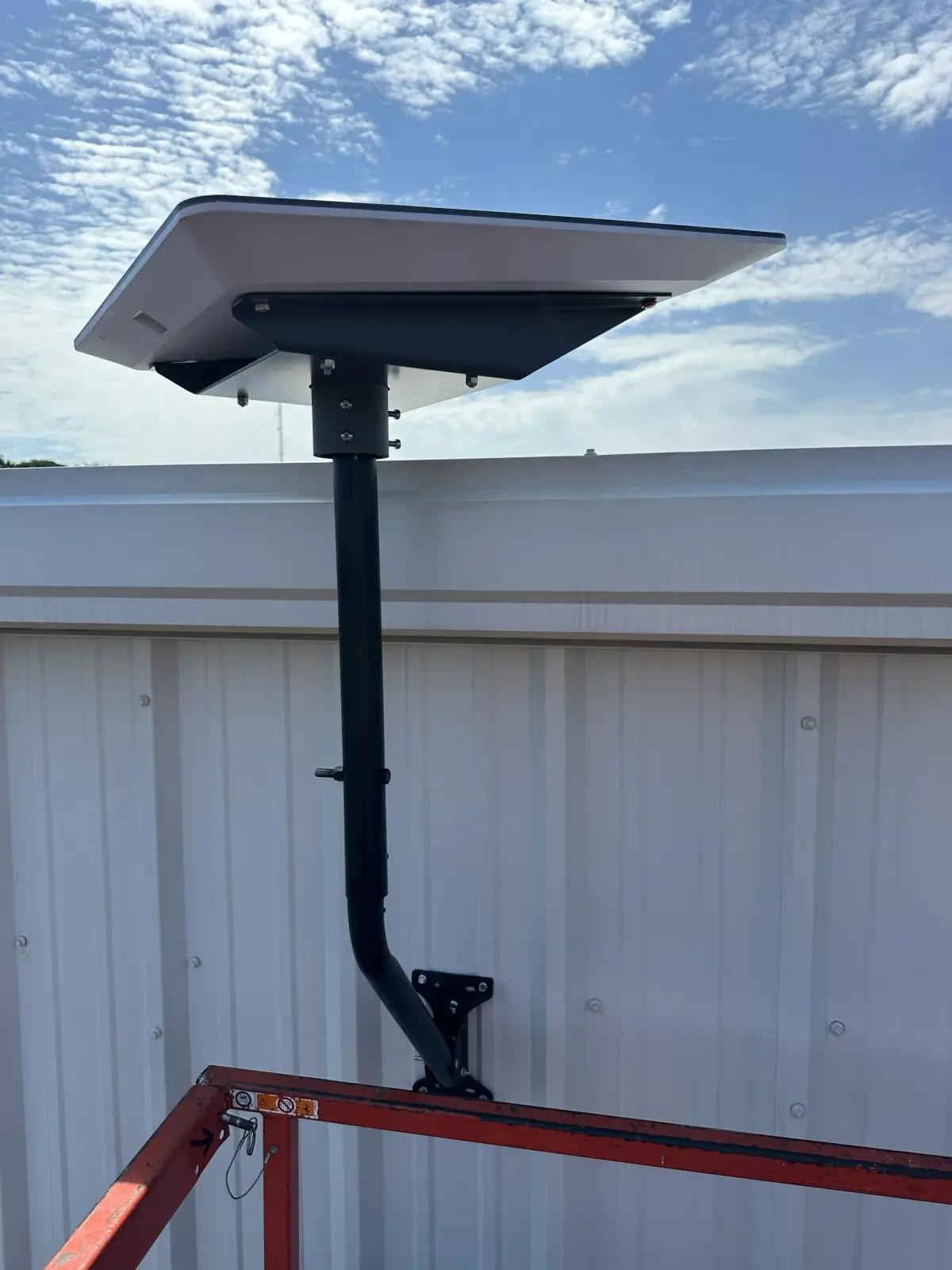
Custom Mount Fabrication
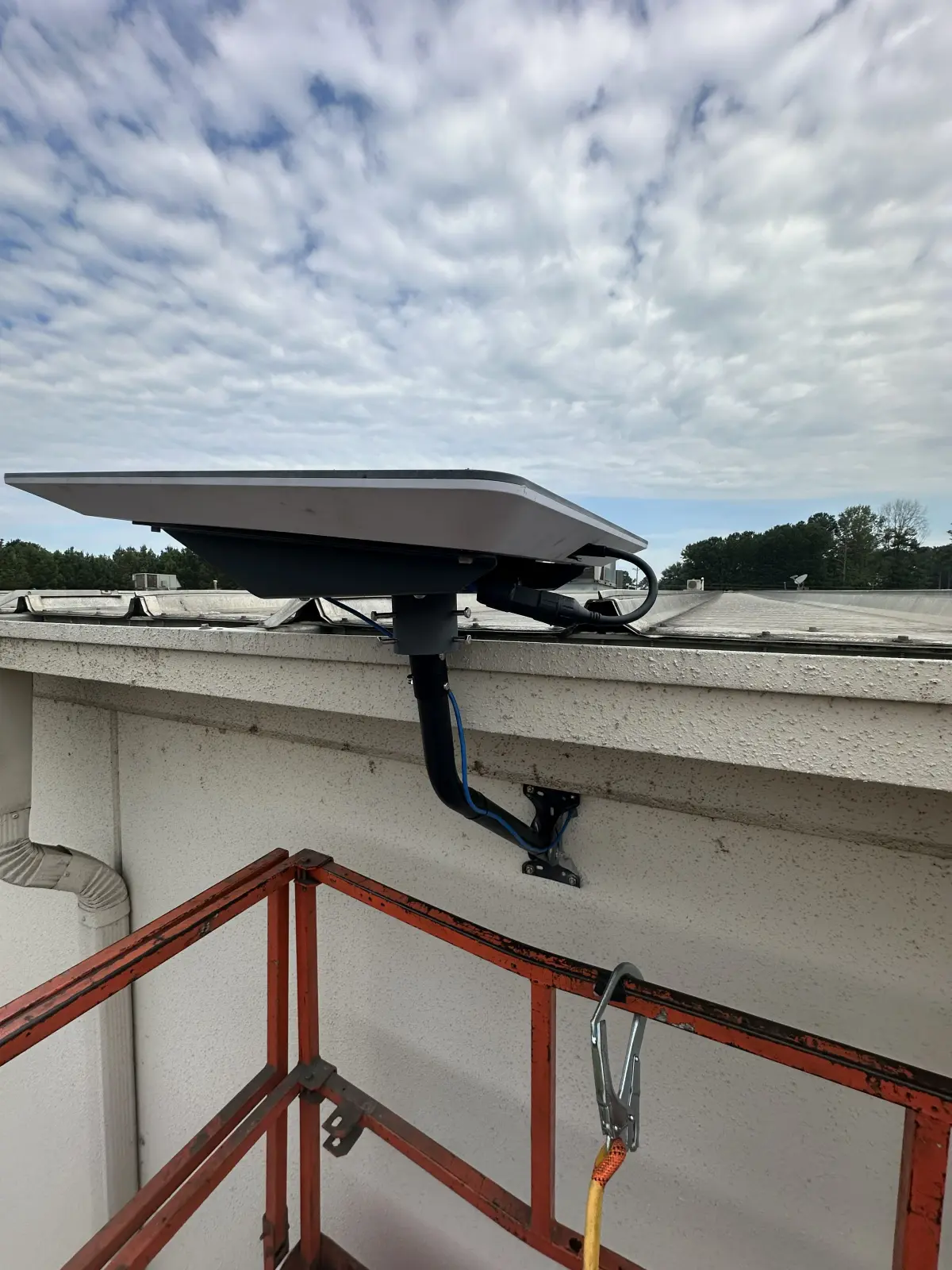
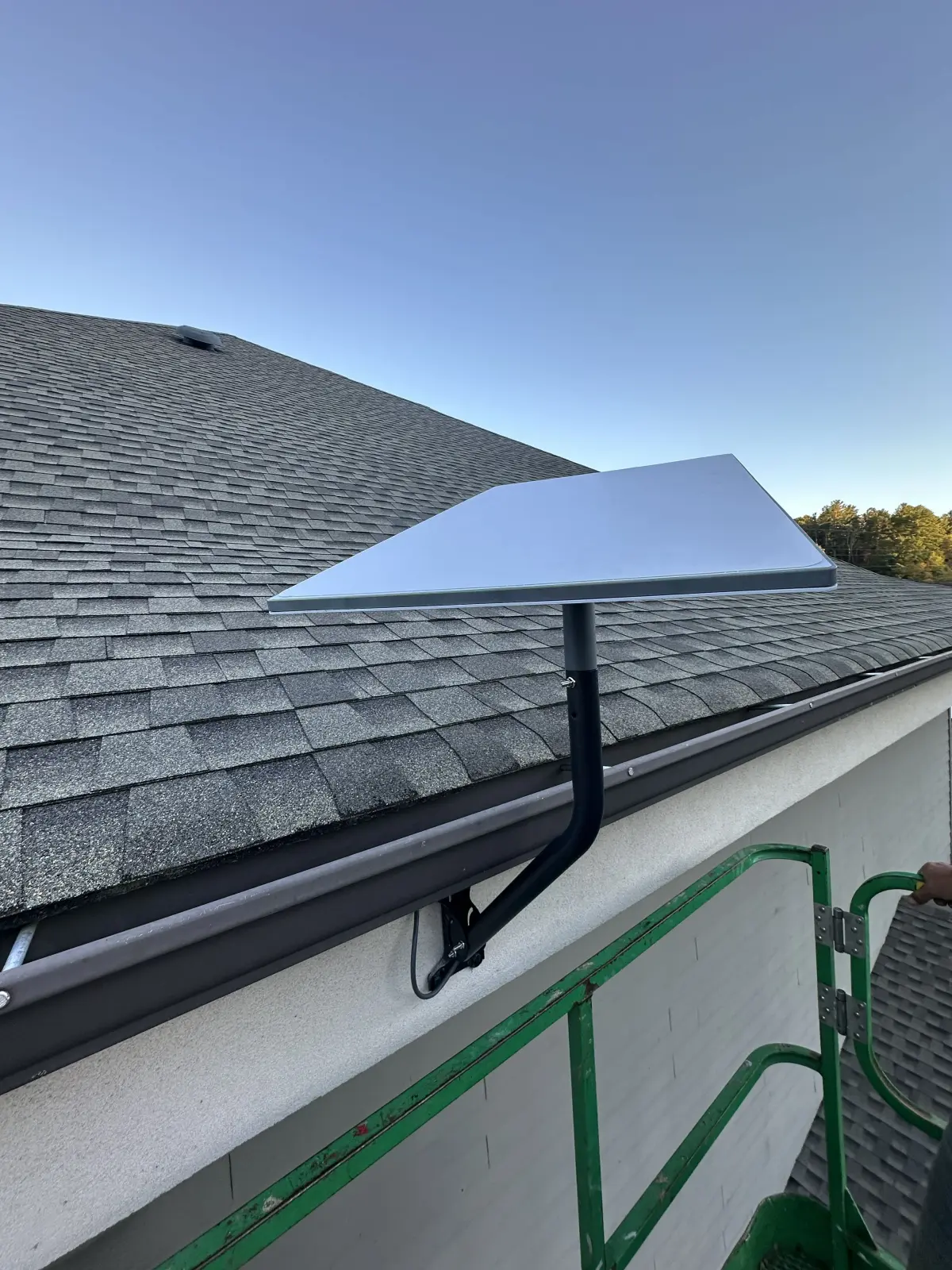
Many installs do not have a clean mounting point. Fabrication and adaptation are often required to properly support external wireless hardware and maintain long-term stability.
A stable mount protects the hardware, preserves alignment, and keeps the installation serviceable after the first weather cycle.
What Proper Execution Requires
- Correct access point placement and secure mounting
- Structured cable routing to wireless hardware
- Clean integration with switching and edge infrastructure
- Weather-conscious installation of outdoor hardware
- Support for Starlink, cellular failover, and related external connectivity systems
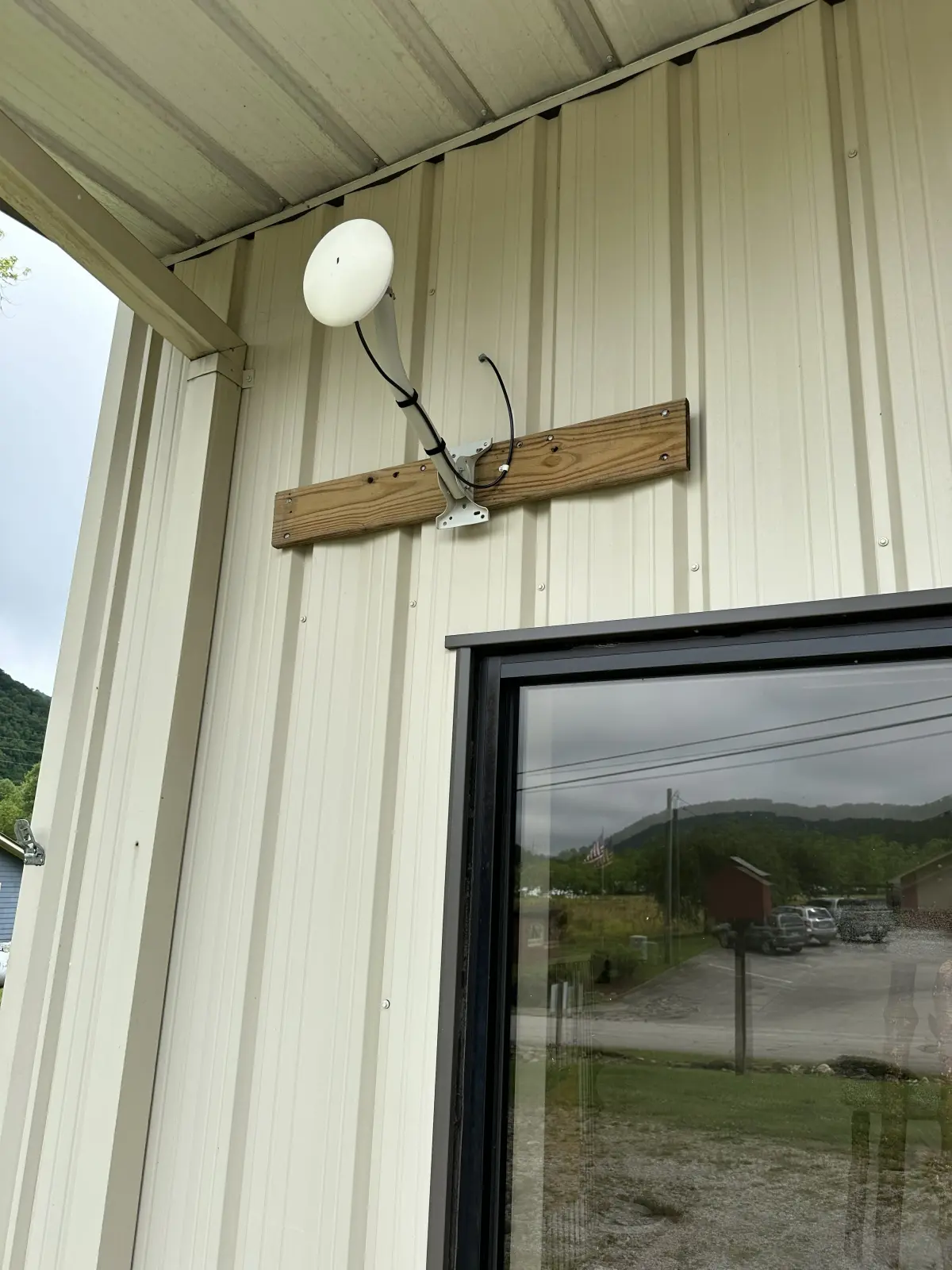
Outdoor-Rated Cabling
External wireless hardware depends on proper cabling. Outdoor-rated CAT6, protected routing, and correct termination prevent failures caused by exposure, moisture, and physical degradation.
The cable path matters as much as the device being installed. A clean exterior run keeps the system supportable instead of creating another weak point.
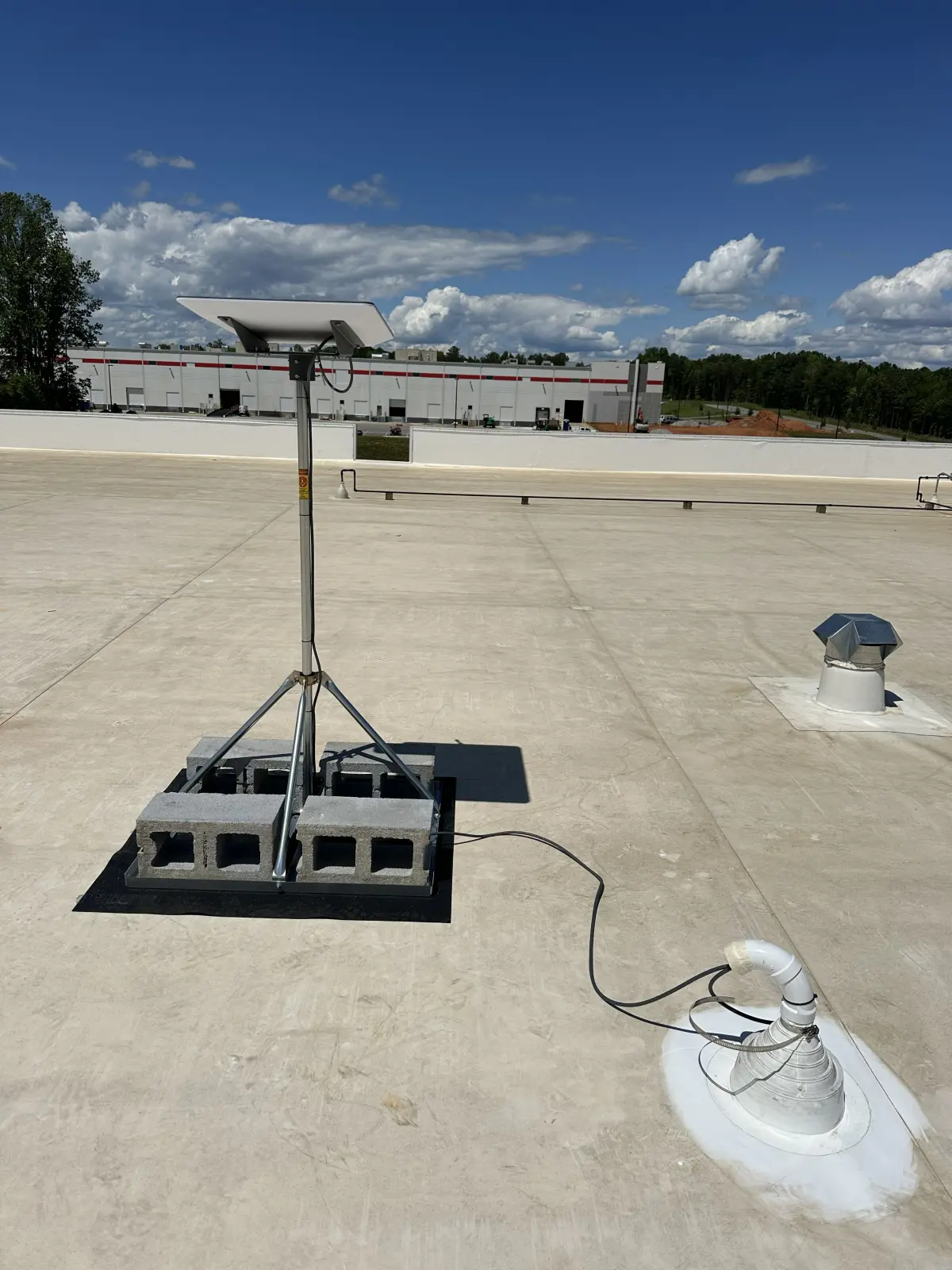
Rooftop Installation Work
Rooftop and roofline installs introduce exposure, access challenges, and structural limitations. Secure mounting and controlled routing are required to keep hardware stable under real conditions.
Proper installation accounts for service access, cable protection, mounting strength, and the path back into the network.
Access Point Deployment
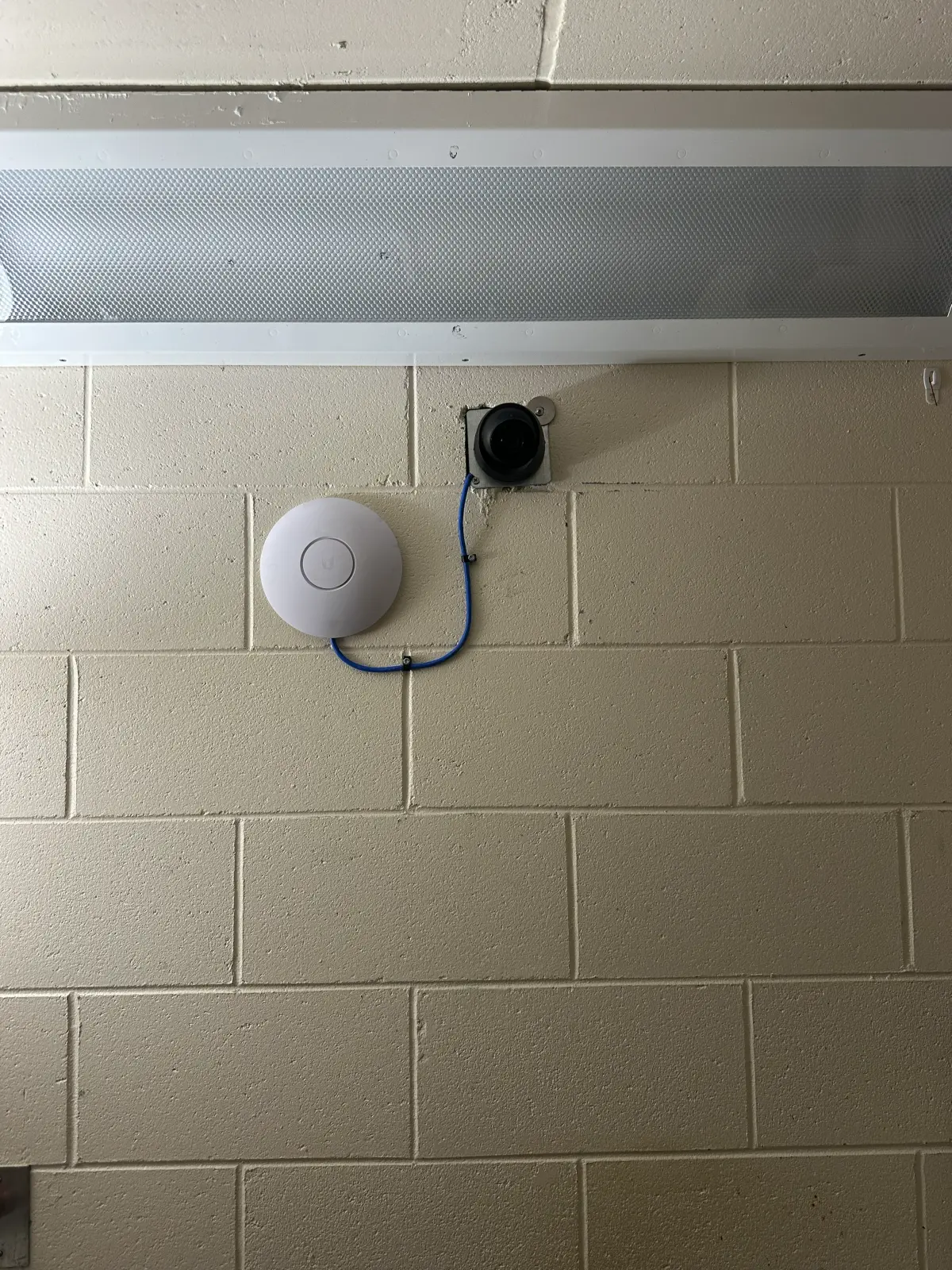
Access points require more than placement. Proper mounting, routing, and integration into switching determine whether the system is clean, supportable, and ready for handoff.
Clean AP deployment keeps the visible install professional while preserving the service path behind it.
External Connectivity Systems
Cellular failover, ATM antennas, and external equipment must be mounted and integrated correctly to avoid long-term service issues.
These systems often support business-critical connectivity, so the physical install has to hold up beyond initial activation.
Environment Integration
Wireless systems have to fit the site, not fight it. Placement, mounting, and cable path should align with the environment instead of creating future access or support problems.
The finished result should look intentional, remain serviceable, and avoid unnecessary exposure or clutter.
Full Deployment Context
Larger installs require consistency across multiple components. Mounting, routing, placement, and service access all contribute to whether the system remains stable after turnover.
This is where disciplined field work matters: each piece has to support the full deployment instead of becoming a future failure point.

Dearman Tech Execution Standard
Wireless hardware is installed with proper positioning, secure support, clean routing, and an organized transition back into the wired network. The standard is stable coverage, supportable infrastructure, and installation work that holds up after the first visit.
Related Services
Related infrastructure work often overlaps across cabling, rack deployment, wireless systems, and physical-layer troubleshooting. Additional service details are available below.
Related Proof
Additional examples of clean infrastructure installation and field deployment work are available on the before-and-after page.