Fiber & Coax Service
What This Service Solves
Unstable signal levels, intermittent connectivity, failed patching, and degraded service often originate in the transport path rather than the device at the end of it. Proper troubleshooting starts with the medium, verifies the signal, and corrects the damaged or misconfigured physical components before more downtime is created.
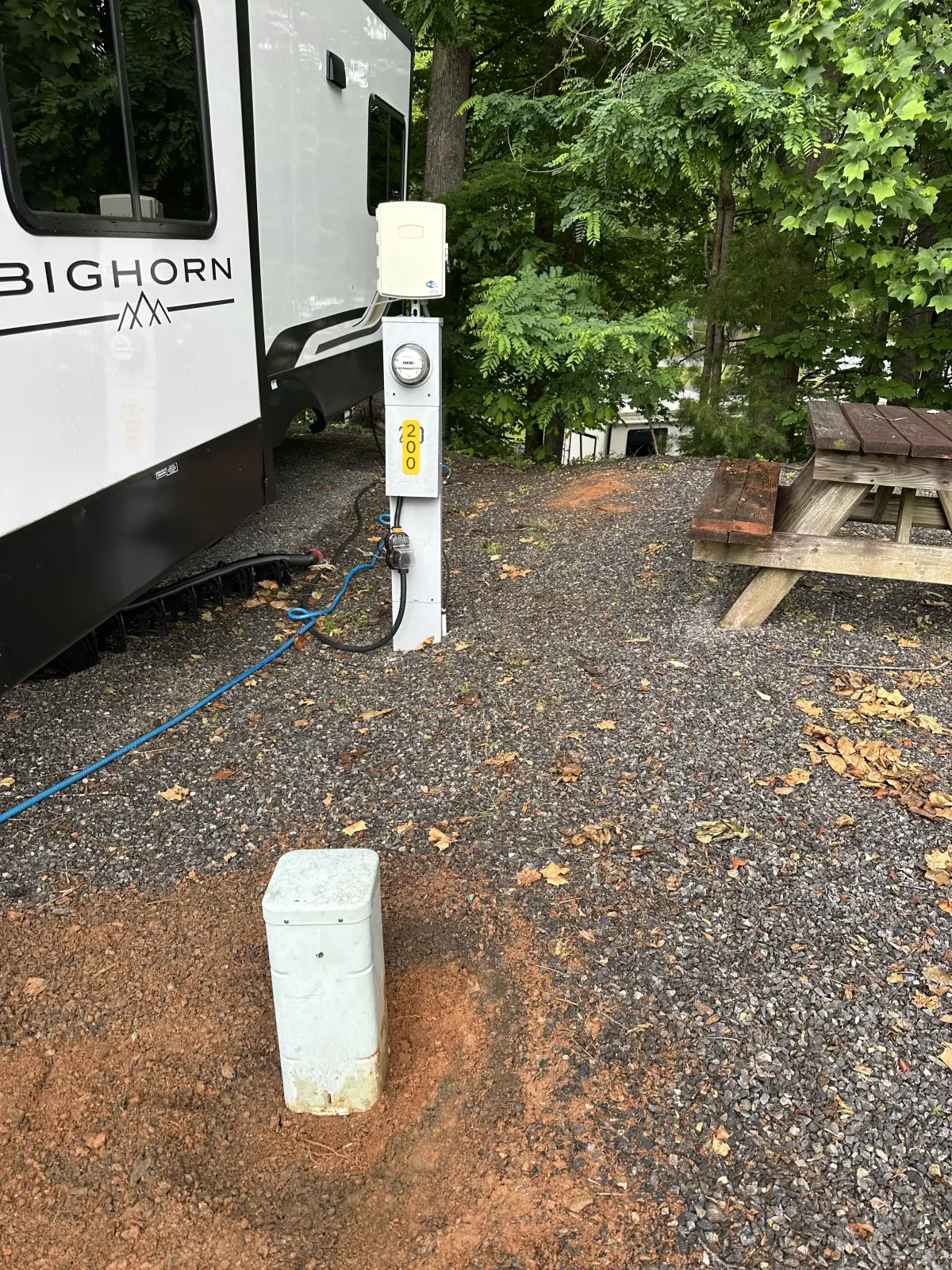
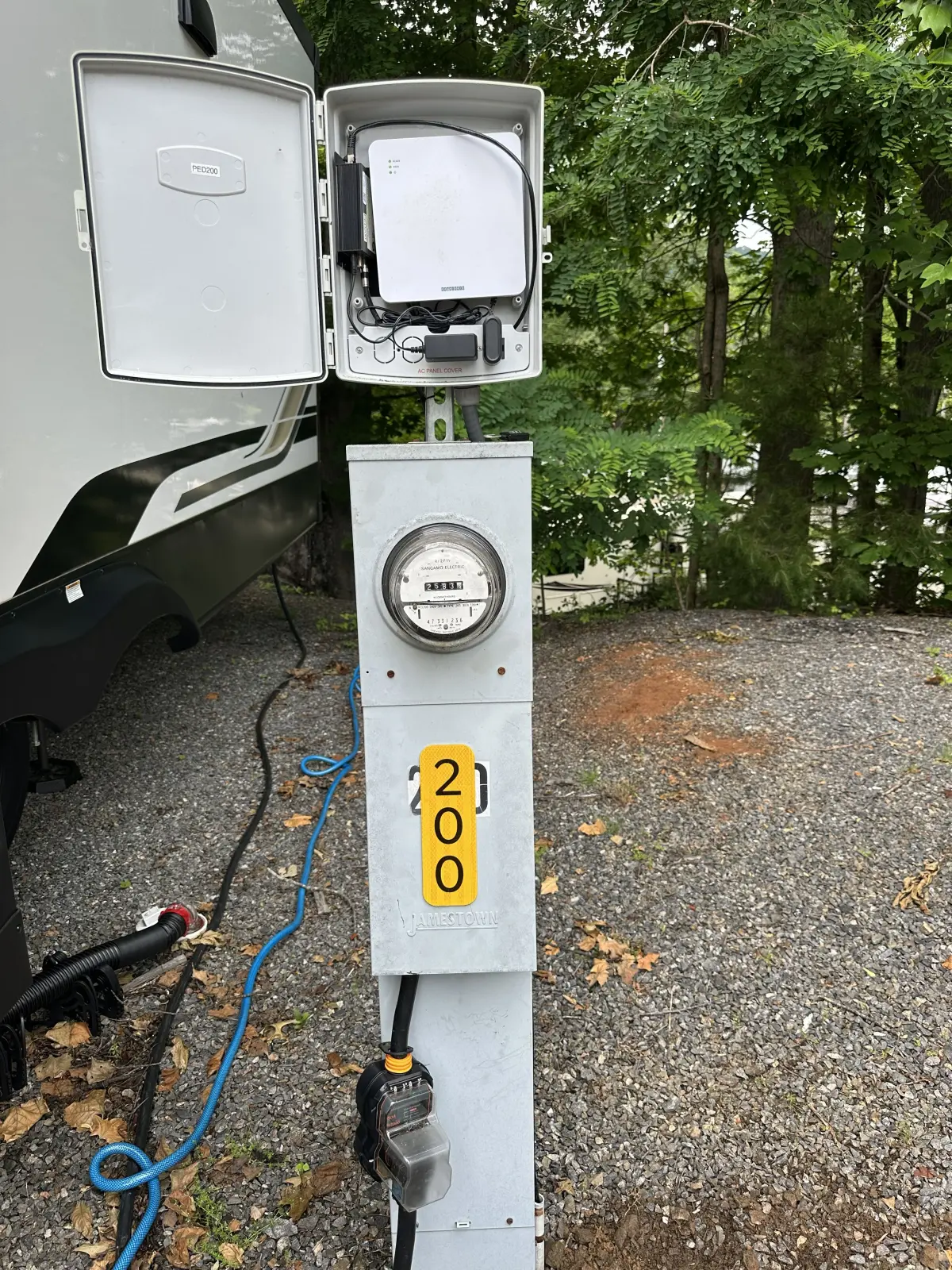
Pedestal-Level Coax Remediation
Field-side coax issues often begin outside the equipment room. Pedestals, drops, splitters, and exposed terminations all have to be inspected as part of the actual service path.
Proper remediation means correcting the physical plant, not simply swapping endpoint equipment and hoping the fault disappears.
What Proper Execution Requires
- Signal level verification and documentation
- Correct patch replacement and termination practices
- Splitter evaluation and proper configuration
- Identification of damaged, loose, or degraded components
- Clean restoration of serviceable infrastructure
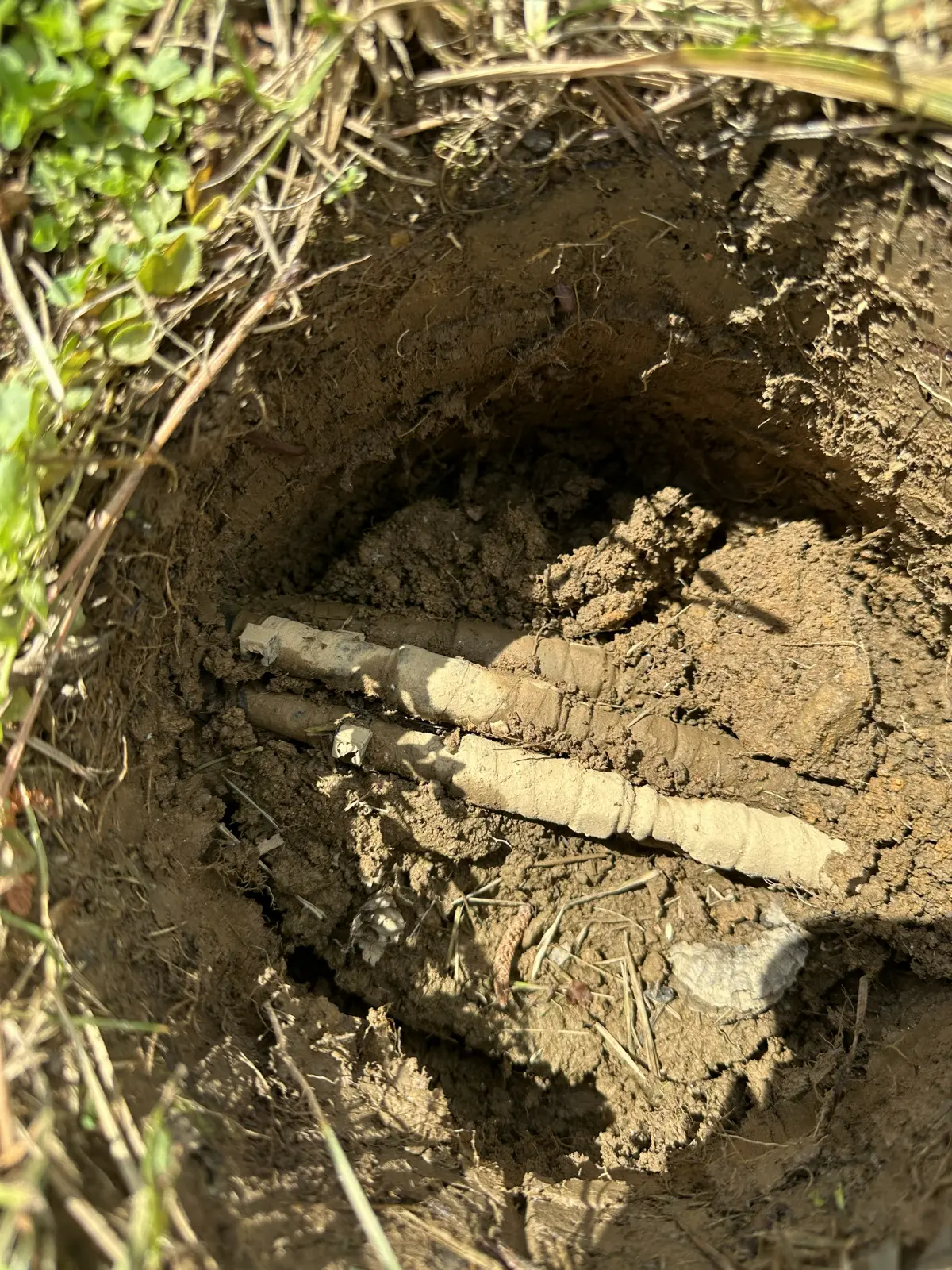
Underground RG11 Repair
Underground coax faults require controlled exposure, inspection, and repair of the damaged section. The work has to restore signal continuity while protecting the repair from future physical damage.
This is physical-layer restoration work: isolate the damaged span, correct the failure point, and leave the path stable enough to support service after the repair is complete.
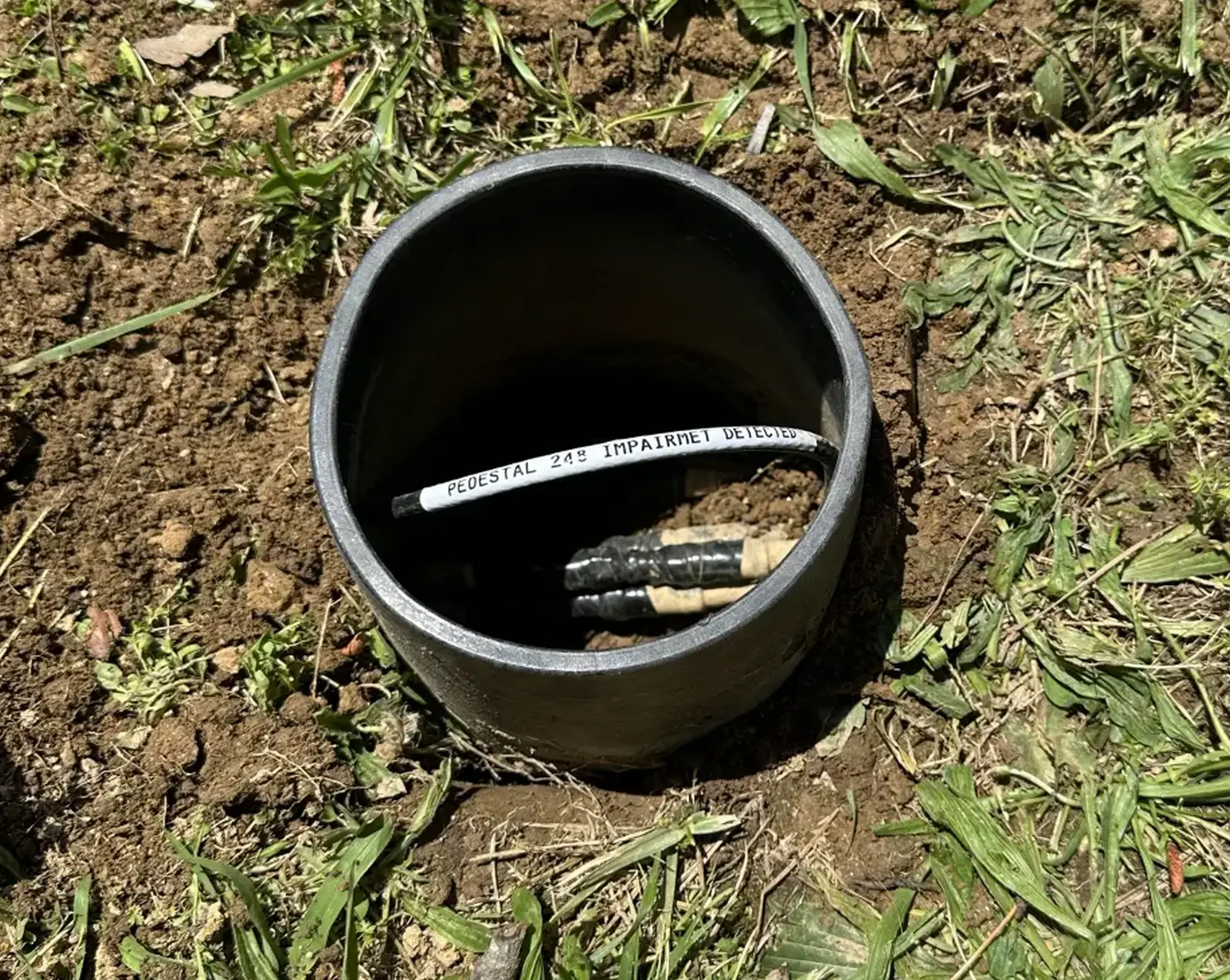
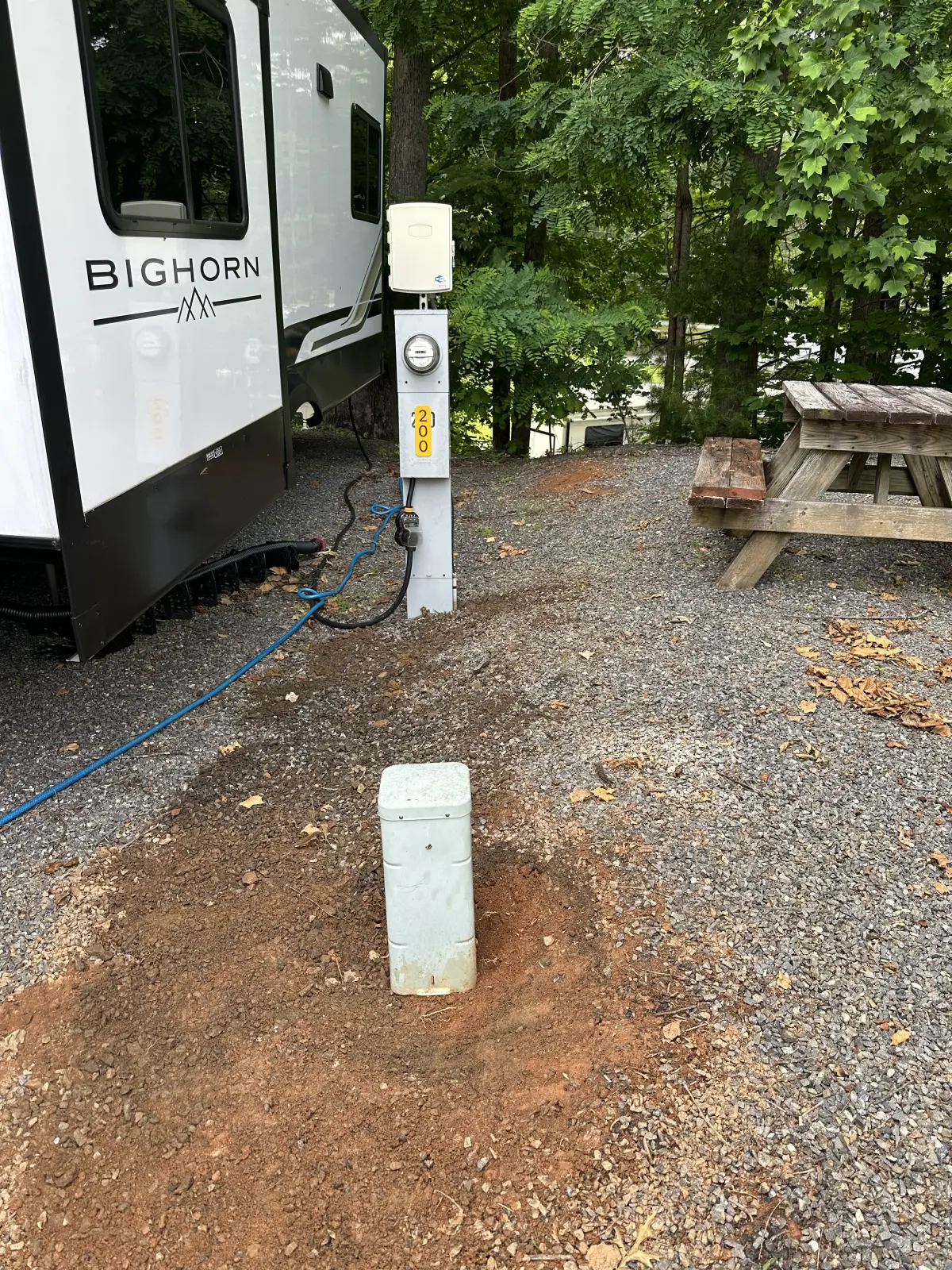
Finished Vault Restoration
A repair is not complete when the signal returns for a moment. The disturbed access point still has to be restored, identifiable, and left in a condition that supports future service.
Finished restoration includes closing the work area cleanly, preserving visible identification where present, and leaving the plant understandable for the next technician.
Drop Replacement and Endpoint Restoration
Failed or degraded drops need more than a temporary patch. Replacement work has to restore the path to the endpoint, control routing, and leave the connection in a supportable condition.
The result should be a stable physical path from plant to device, with the damaged or unreliable segment removed from service.
Dearman Tech Execution Standard
Work is completed with verified levels, corrected patching, and infrastructure restored in a way that can be supported afterward. The goal is not a temporary return to service. The goal is a stable physical path with documented, serviceable results.
Service Path to Active Equipment
Physical-layer work has to support the active equipment at the end of the path. A corrected coax drop still has to land cleanly at the modem, router, access point, or other endpoint that depends on it.
Restoration is not complete until the repaired path supports the actual operating environment and can be understood during future service.
Related Services
Related infrastructure work often overlaps across cabling, rack deployment, wireless systems, and physical-layer troubleshooting. Additional service details are available below.
Related Proof
Additional examples of infrastructure cleanup, termination correction, and physical-layer repair are available on the before-and-after page.